
Rapier Loom Manufacturer · China
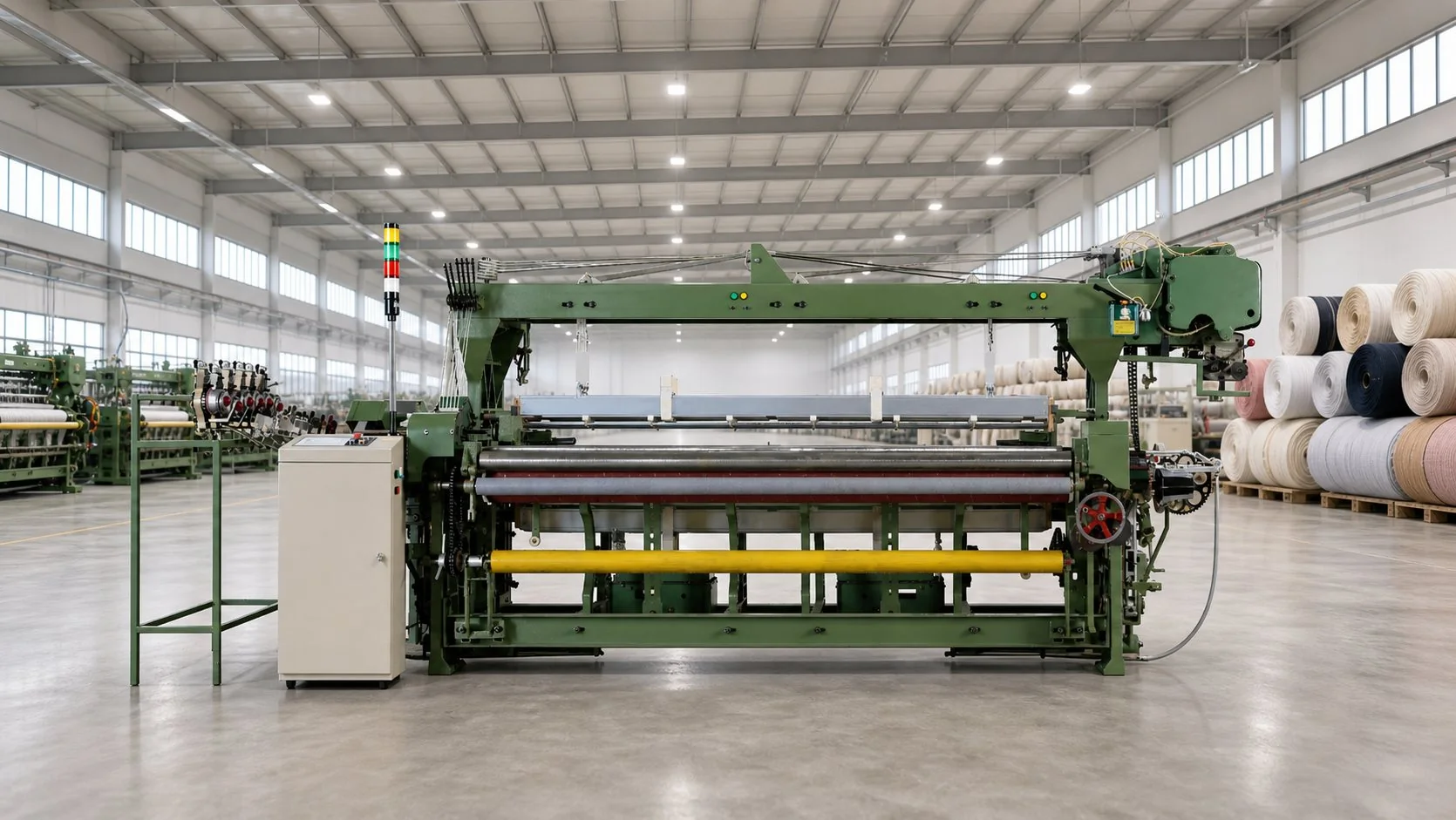
Shuttleless Rapier Loom Model MG788 Rapier Loom
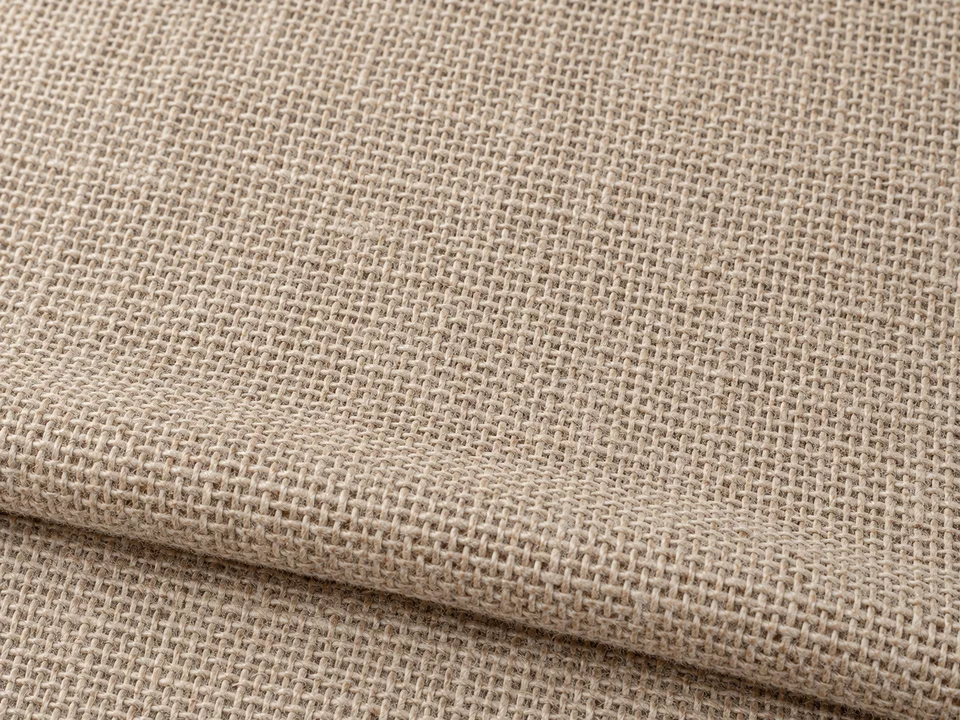
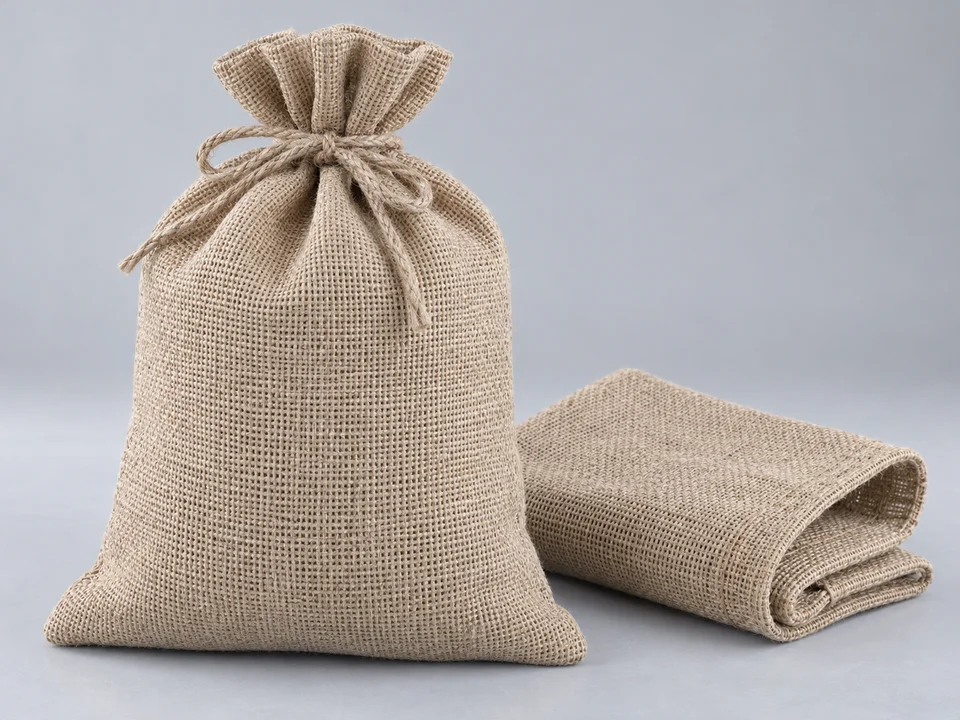
The MG788 Rapier Loom uses mechanical grippers for shuttleless weft insertion. It can weave cotton, polyester and viscose fabrics for shirting and curtains, as well as sackcloth with a suitable configuration.
- What is a rapier loom?
- A rapier loom is a shuttleless weaving machine. Mechanical grippers insert weft yarn between lengthwise warp yarns to form fabric. Its flexible yarn handling supports cotton, polyester, viscose and varied weave patterns.
- How does it work?
- On the MG788 Rapier Loom, the dobby opens a path through the warp. Two flexible rapiers transfer the weft at the center; the reed beats it into place. Let-off and continuous mechanical take-up keep yarn and cloth moving.
- Which fabrics can it weave?
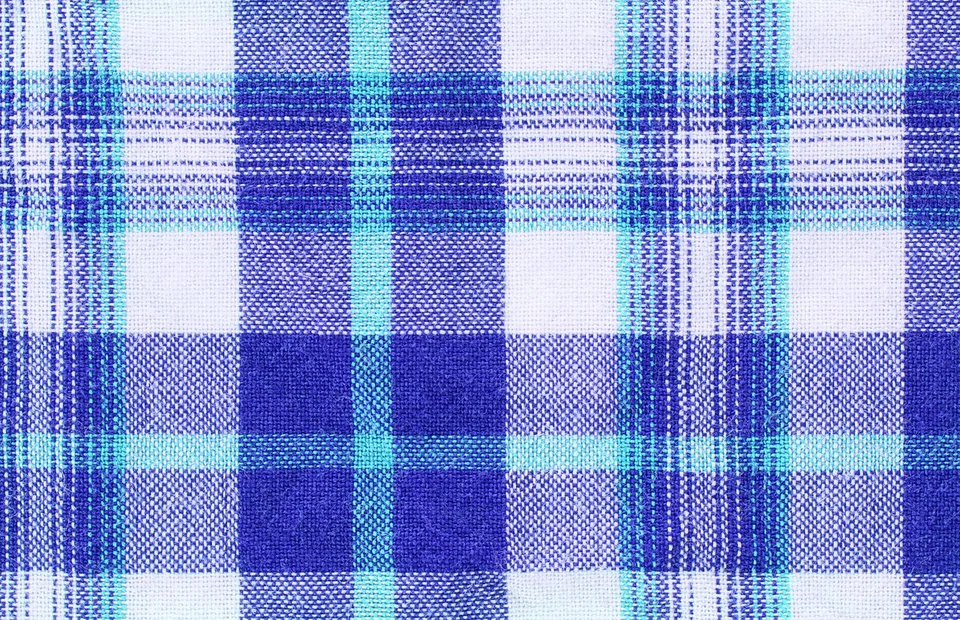
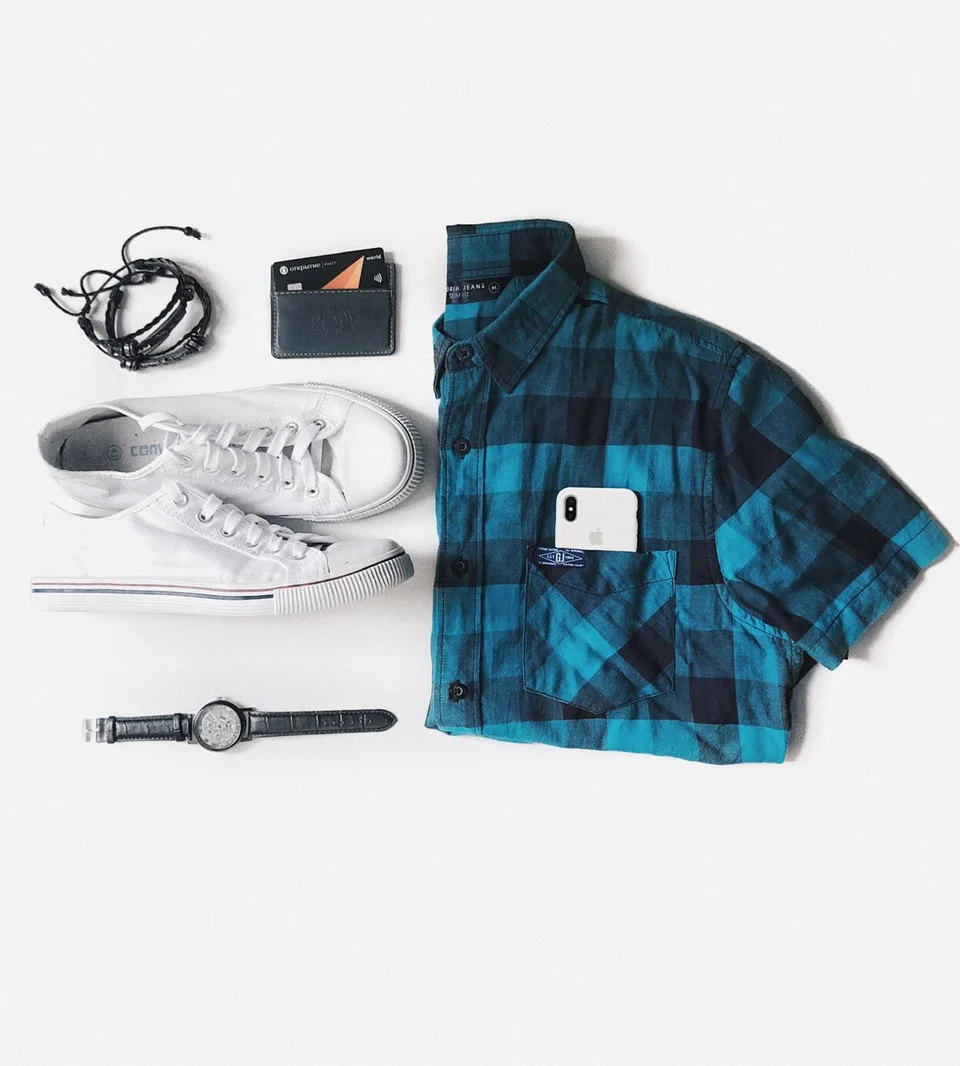
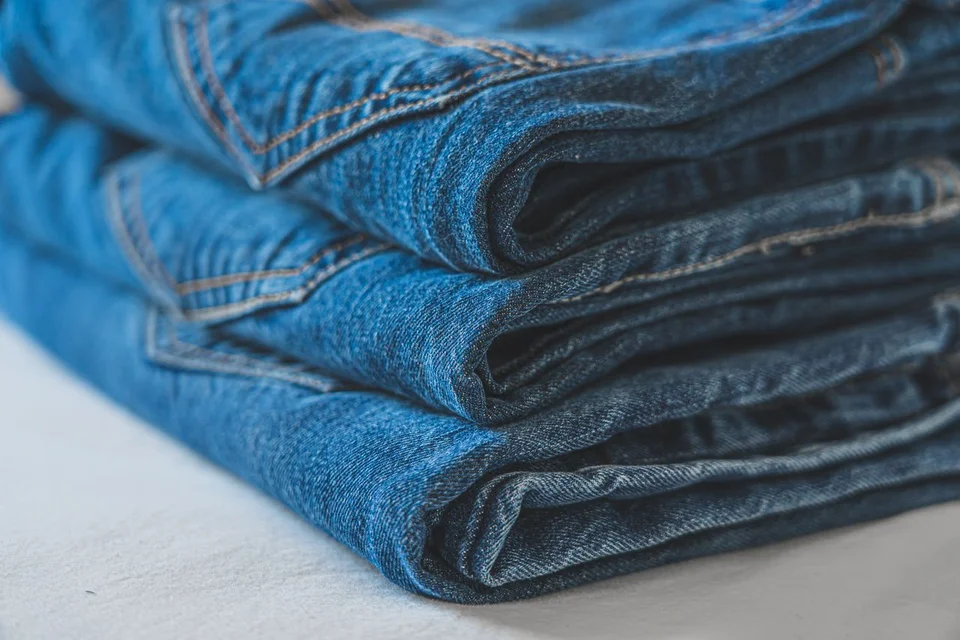
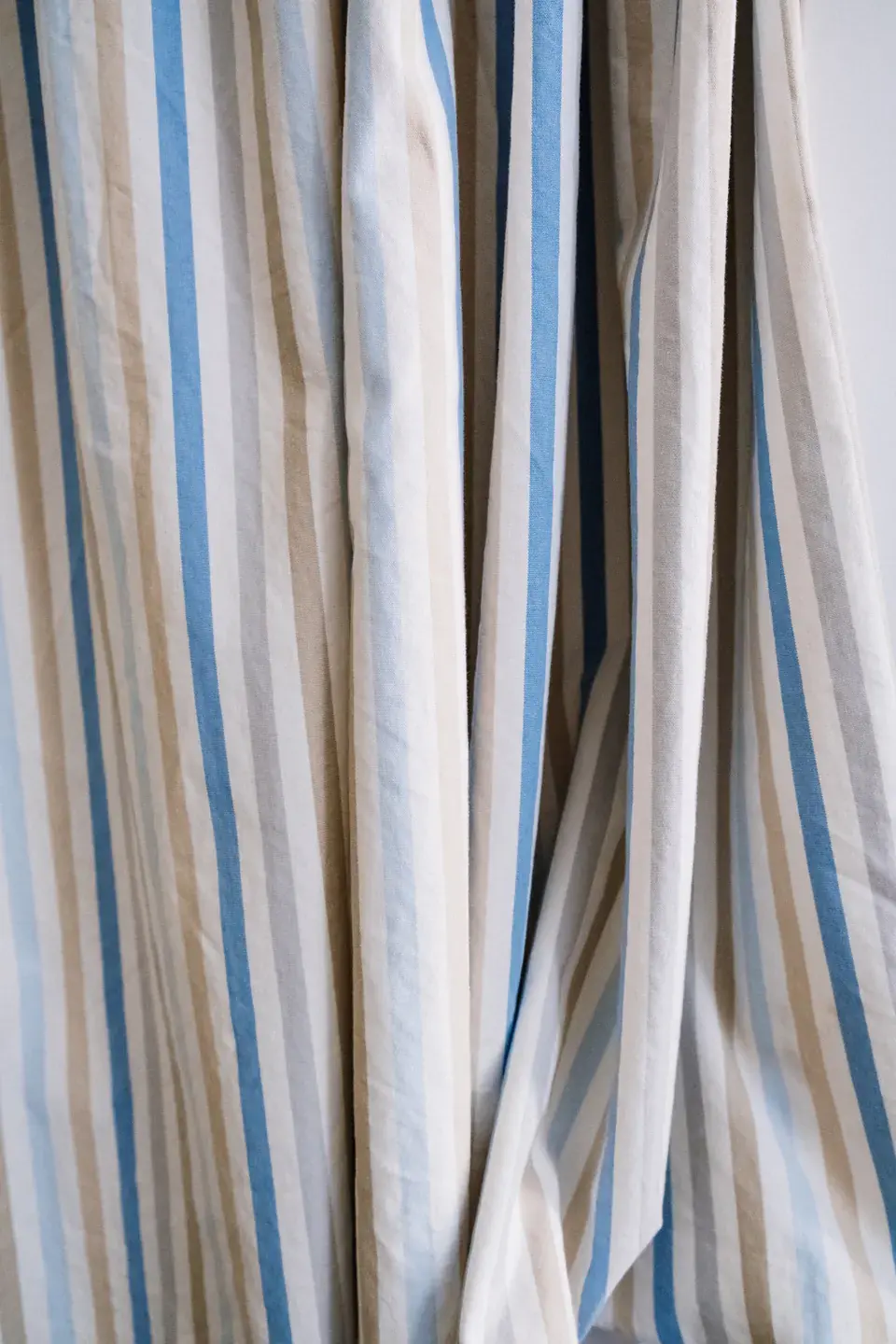
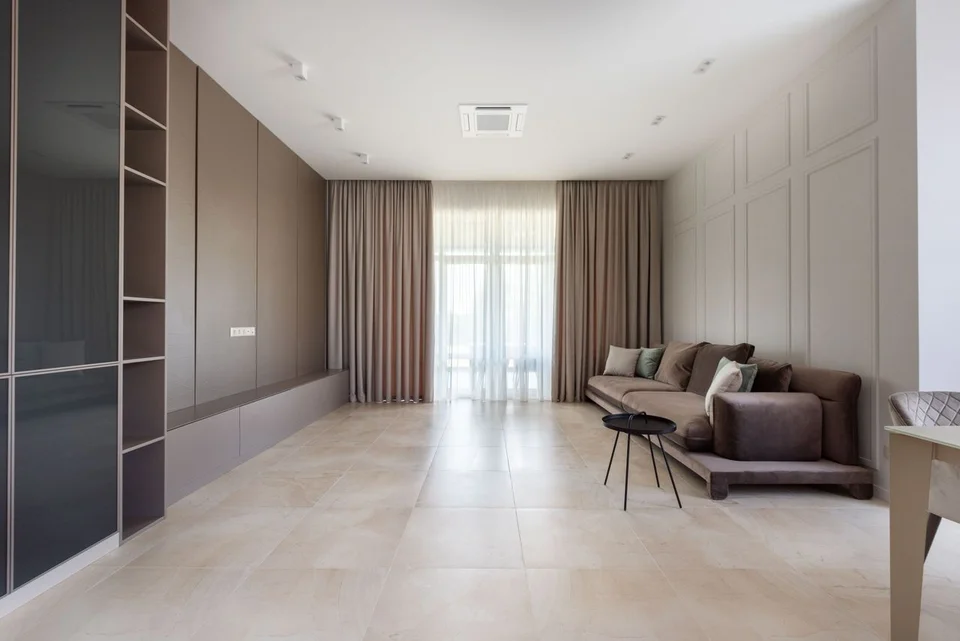
- Typical applications include denim, shirting, yarn-dyed checks, curtains and bedsheets, using cotton, polyester, wool, linen or blended yarns. Yarn count, weave, density and width determine the required configuration.
- Where can it save production costs?
- Rapier weft insertion needs no air-jet compressor or water-jet pump. Flexible yarn and weave options suit varied orders; costs depend on output, power, labor, maintenance and yarn waste.
- Fabric & Yarn
- Denim · Shirting · Home Textiles Cotton · Polyester · Wool · Linen yarns
- Reed Width
- 150 cm, 200 cm, 230 cm, 280 cm and others
- Shedding
- Mechanical Dobby Electronic dobby or Jacquard optional
Fabrics This Rapier Loom Can Weave & Their Uses

Machine details
View the loom from different angles.

The dobby raises and lowers the heald frames to open a path between the warp yarns. Their lifting sequence and the yarn threading plan determine the weave pattern.

Shedding opens the yarn path, the rapiers insert the weft, and the reed presses it into place. Let-off supplies warp yarn while continuous mechanical take-up moves the cloth forward.

The take-up rollers draw the woven fabric forward. The amount advanced per weaving cycle sets the weft density: how closely the crosswise yarns are spaced.

The drive gearbox and linkage move the rapier tapes in and out for weft insertion. The wall frames support these moving parts and help maintain alignment.
Technical configuration
MG788 Rapier Loom technical specifications.
Match the configuration to your fabric and local power supply. Final supply is confirmed in the sales contract.
| Item | Specification / Supply |
|---|---|
| Reed width / rated speed |
150 cm: 250–280 rpm
200 cm: 250 rpm
230 cm: 230 rpm
280 cm: 200 rpm
300 cm: 190 rpm
340 cm: 170 rpm
|
| Wall frame | Heavy-duty wall-frame construction. |
| Main shaft | Large-diameter tubular shaft with heavy-duty bearings. |
| Weft insertion | Two flexible rapiers with center transfer of the weft yarn. |
| Take-up motion | Continuous mechanical take-up; advances the cloth at the rate set for the required weft density. |
| Let-off motion | Mechanical let-off gearbox with 600 mm warp beam flanges. |
| Stop motions | Electronic warp and weft stop monitoring; stops the loom when a yarn break is detected. |
| Fabric take-up roller | Double pressure-roller mechanism. |
| Gearbox | Square gearbox. |
| Rapier drive wheel | High-strength, wear-resistant nylon. |
| Weft guide board | Solid, precision-finished guide board. |
| Control system | LCD Display Operator Control Panel |
| Warp beams | 600 mm flanges; 2 sets included. |
| Cloth rollers | 2 units included. |
| Rapier heads & tapes | 2 sets included. |
| Drop wires & heald wires | 10,000 drop wires (open or closed type) and 10,000 heald wires included. |
| Reed | 1 unit included. |
| Motor & voltage | 1.8 / 2.2 kW; 380 / 415 V; three-phase, selected by order. |
| Shedding | GT221 mechanical dobby with 20 levers; electronic dobby or Jacquard optional. |
| Heald frames | 12 pcs / 14 pcs / 16 pcs |
| Weft feeders | Small or big type; 4 or 6 units to store and supply weft yarn. |
| Weft selection | 6-color mechanical selection or optional 8-color electronic selection. |
| Tuck-in device | Optional left/right (L+R) or left/center/right (L+M+R) arrangement; cutters included when selected. |
Speed and output: Operating speed depends on reed width, yarn and fabric construction. Actual output also depends on weft density and running efficiency, not rpm alone.
Product warranty: Major components, including the electrical control system, motor, brake and clutch, are covered by a 2-year warranty. Each order includes wear parts for 1 year of use, free of charge.
Workshop assembly
From the frame to a configured loom.
Workshop views show frames, drive mechanisms and assembled looms at different stages of preparation.

For a multi-machine order, specify the required width and options for each loom so the equipment matches the planned fabric production.

Wall frames and cross members support the loom assemblies. Their alignment provides the starting point for installing the drive, shedding and rapier systems.

Rapier drives, rollers and selected edge devices are fitted to the frames. The mechanisms must be aligned and timed to work together.

The optional electronic selector allows the weft color sequence to be programmed on the control panel.
Customer experience
Customer-reported 15 years in service.
The customer reports continued fabric production after 15 years. This is an individual operating history, not a guaranteed service life; machine condition depends on workload, yarn preparation and maintenance.

Yarn quality, warp preparation and settings suited to the fabric all contribute to consistent weaving in daily production.

Clean yarn paths and checks on rapier heads, tapes and drive parts help limit wear-related faults. Follow the supplied machine manual for safe maintenance and lubrication.
Machine care
Rapier loom maintenance & troubleshooting
Care for the MG788 Rapier Loom starts with clean yarn paths, correct lubrication and regular checks on the parts that carry and grip the weft yarn.
Before maintenance: Stop and isolate all energy sources. Follow the machine manual and your factory's lockout procedures. Cleaning, lubrication and repairs must be carried out by trained personnel; never bypass guards or stop devices.
Cleaning & inspection
- Yarn paths
- Remove lint from the reed, healds, drop wires and weft-feeder guides. Rough or damaged contact surfaces can catch yarn and cause breaks.
- Rapier heads & tapes
- Check for wear, burrs and loose fasteners. These parts carry and grip the weft; damage can affect yarn transfer at the center of the loom.
Lubrication & wear parts
- Drive & dobby
- Use the supplied manuals for lubrication points, lubricant grades and intervals on the gearbox, bearings and GT221 mechanical dobby. Excess lubricant can contaminate the fabric.
- Replacement parts
- Inspect rapier tapes, guides, grippers and cutters for wear. Confirm the machine model, part number and fitted configuration before ordering replacements.
Common weaving faults
Repeated warp breaks
Possible causes include rough yarn-contact surfaces, yarn preparation or unsuitable tension. Record where breaks occur so a technician can check the yarn path and shedding setup.
Missing or broken weft
Check the yarn package and feeder path for an interrupted supply. Recurring faults may require a technician to inspect the grippers, rapier transfer and cutting timing.
Irregular weft density
Uneven crosswise yarn spacing may involve take-up, let-off or yarn variation. On the MG788 Rapier Loom, a technician should check the continuous mechanical take-up and warp delivery together.
Need repair advice? Share the model, fault message, yarn details and clear photos of the affected part or fabric. Contact WEAVETECH
Order support
From inquiry to delivery
-
Share your fabric
Send a sample, or specify yarn, weave, density and finished width.
-
Choose your configuration
Match reed width, shedding, weft options and edge finish to your fabric.
-
Confirm your order
Confirm quantity, voltage, included parts, inspection and delivery terms.
-
Arrange delivery
Confirm packing, loading and shipping to your destination.
MG788 Rapier Loom Procurement FAQ
What fabrics can the MG788 RAPIER LOOM weave?
Cotton, polyester and viscose fabrics are common applications, including shirting, yarn-dyed checks, denim and curtain fabrics. Suitability depends on yarn count, weave, density and working width; confirm the configuration with a fabric sample.
Is reed width the same as finished fabric width?
No. The MG788 Rapier Loom offers 150-340 cm reed widths. Allow for selvages and finishing shrinkage when selecting a width; confirm the required finished fabric width before ordering.
What is the rated power of the MG788 Rapier Loom?
The MG788 uses a single motor to drive the entire loom, including the dobby, warp let-off and fabric take-up. Its rated motor power is 1.8 or 2.2 kW, with a 1.5 kW option available. This is lower than that of air-jet and water-jet looms equipped with motors rated at 3 kW or above.
What information is needed for a quotation?
Send a fabric sample or specify the yarn, weave, density, finished width, machine quantity, supply voltage and destination. Confirm shedding, weft selection and optional edge devices in the quotation.
Contact WEAVETECH
Tell us what fabric you plan to weave.
Share a fabric sample or describe the yarn, weave, density and finished width you need. Tell us your planned machine quantity, and WEAVETECH will help select a suitable setup through WhatsApp.
